
It’s freezing in Paris, the rent is due, and Rodolfo has run out of firewood. His solution? Burn his own manuscript. Act by act, his literary masterpiece (perhaps?) goes up in flames. So much for a promising literary career. It’s a tough world for a struggling artist, where even your best work might be worth more as firewood. And in La Bohème, that’s just the beginning: before long, love, laughter and youthful dreams will find themselves up against the rather less romantic realities of life.
Elisabeth Linton, the Royal Danish Theatre’s opera director, first staged this production in 2016. Now it’s back, with only a few changes. Apparently, after 636 performances, La Bohème has secured a permanent place in the Royal Danish Theatre’s repertoire. The opera premiered in Turin 130 years ago, so you’d think Puccini’s score would be second nature by now. And mostly, it is. There are a few early hiccups as singers and orchestra find their feet, including some adventurous microtonality. Fortunately, things settle down as the evening progresses, particularly in the final two acts.
How to Get a Boyfriend in 10 Minutes
Puccini’s music swells as one hopes it will, from the grand orchestral interludes and sweeping arias to the quietest pianissimos, where vulnerability takes centre stage. The contrasts are well handled, and there is a clear sense of forward momentum. German conductor Dominik Beykirch’s interpretation may not break new ground, but it follows the drama convincingly.
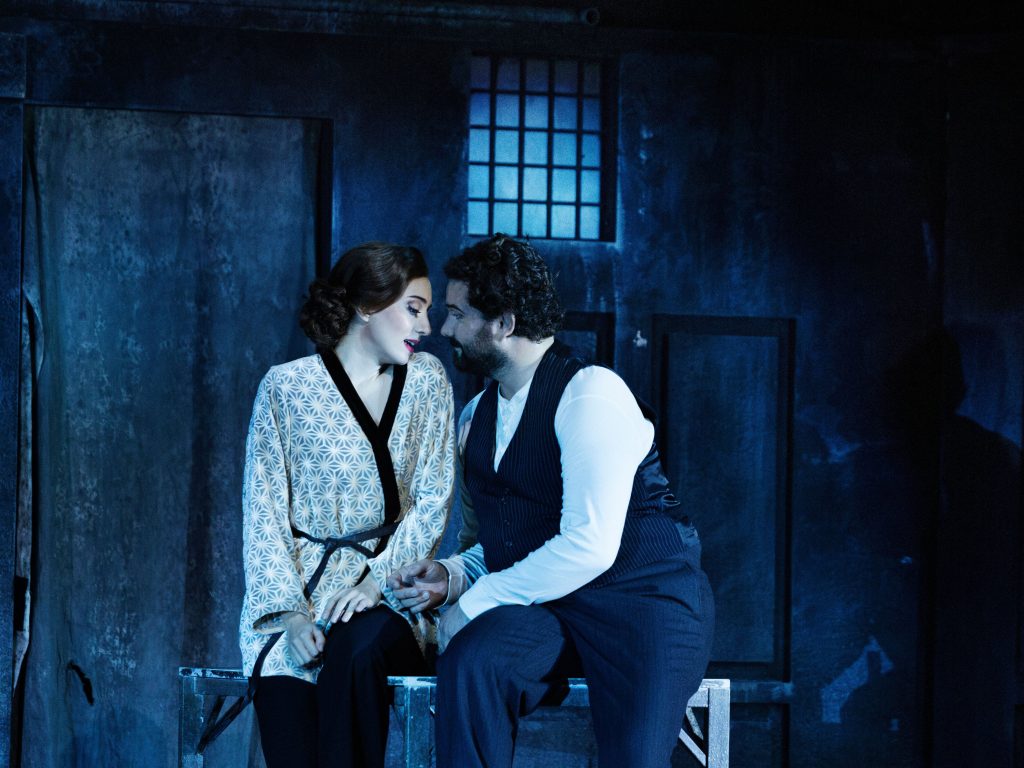
Meanwhile, Rodolfo’s literary career takes a rather different turn when his neighbour Mimì knocks on his door. She needs help lighting her candle, and apparently, that is all it takes to find true love in nineteenth-century Paris. Rodolfo is instantly smitten. When Mimì drops her key and the two start fumbling around on the floor in the dark, it’s only a matter of time before they’re kissing on the cold, dirty floorboards. Forget dating apps, dinner reservations or getting to know each other first. All you need is a candle, a lost key and a poet with a conveniently empty room.
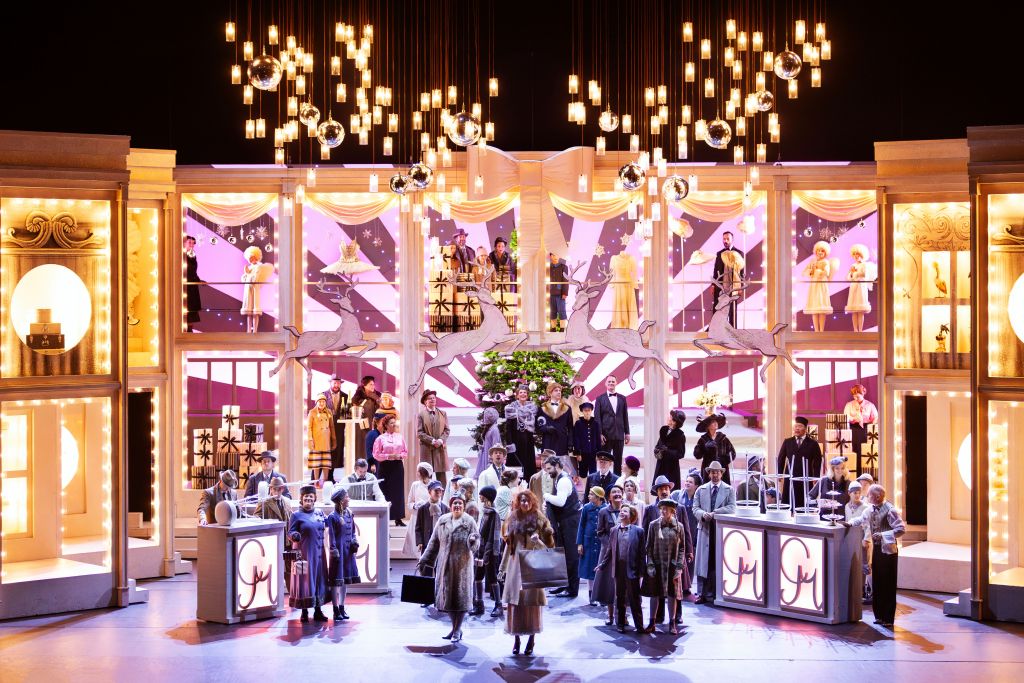
The romance may be a little over the top, but that is hardly the singers’ fault.
Puccini wastes no time getting his lovers together.
Omer Kobiljak takes on the role of Rodolfo. His voice is well suited for Puccini, with a lyrical quality that avoids becoming too heavy. He struggles a little to project over the orchestra at the beginning, but once he finds his footing, his fine timbre and thoughtful characterisation come through.
Neither Kobiljak nor Teona Todua, as Mimì, goes overboard in either singing or acting. Todua’s voice is nuanced rather than flashy, moving effortlessly through Mimì’s part without ever feeling forced while giving it time to breathe. She makes Mimì vulnerable without reducing her to a fragile little flower. As the opera progresses, Mimì’s illness becomes increasingly difficult to ignore, and the young lovers’ idyllic little world begins to crumble. Love, it turns out, is not quite enough to keep the cold out.
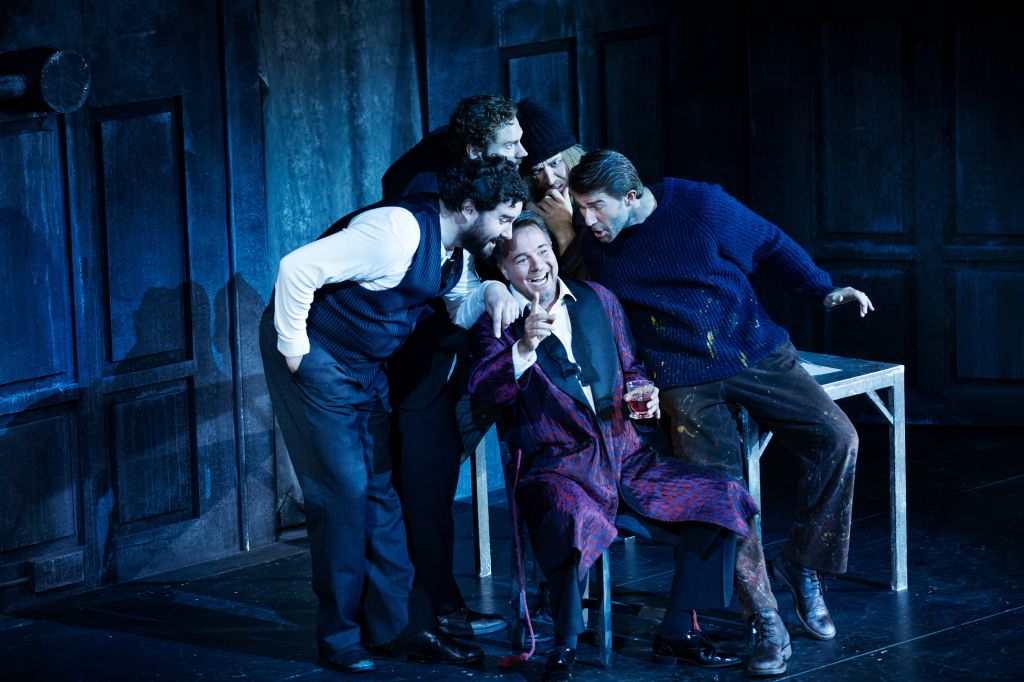
Rodolfo and his friends are a rowdy bunch. They wind up their landlord, drink when they can afford it, and generally behave like lads who think adulthood is something that happens to other people. Bills? Responsibilities? Sounds like a problem for future them.
But eventually, future them arrives
Jens Søndergaard as the painter Marcello is particularly good in Act III. Beneath all the banter and bravado, he lets us see a more vulnerable side of the character. And as Mimì and Rodolfo’s relationships fall apart, the jokes dry up. Jealousy and heartbreak take over.
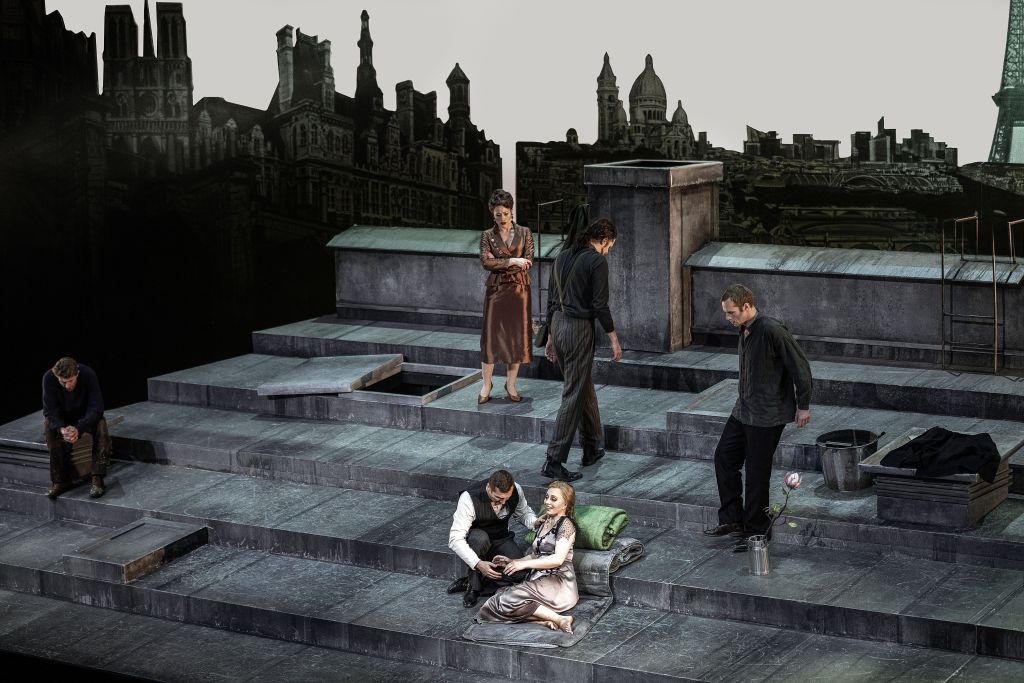
Linton’s production is pretty much what you’d expect from a traditional night at the opera: beautiful sets, polished staging and not too many surprises. And there’s nothing wrong with that. The artists’ cramped attic feels suitably miserable, while the roof opens up in the final act to reveal the Parisian skyline.
But look a little closer, and the picture isn’t quite so rosy. When Mimì appears with a black eye, a darker side to the story suddenly comes into view. Could Rodolfo be less of a romantic hero than his sweeping arias would have us believe?
Yet this darker dimension never quite takes over. The production remains firmly within the familiar world. Puccini gives us all the ingredients for a tragedy: poverty, jealousy, illness and a love that cannot save its protagonists.
Fun Fact:
While Puccini was composing La bohème, another composer was doing exactly the same. Ruggero Leoncavallo was writing his own opera based on the very same story. Today, Puccini’s version is a classic, while Leoncavallo’s is rarely performed.
Trailer:
https://video.kglteater.dk/la-boheme-trailer
Cast:
- Conductоr: Dominik Beykirch
- Directоr: Elisabeth Linton
- Stаge Designer: Astrid Lynge Ottosen
- Сostume Designer: Magdalena Stenbeck
- Lighting: Ulrik Gad
- Mimì: Teona Todua
- Musetta: Clara Cecilie Thomsen
- Rodolfo: Omer Kobiljak
- Marcello: Jens Søndergaard
- Schaunard: Kristian Lindroos
- Colline: Henning von Schulman
- Parpignol: Lars Bo Ravnbak
- Benoît: Simon Schelling
- Alcindoro: Morten Staugaard
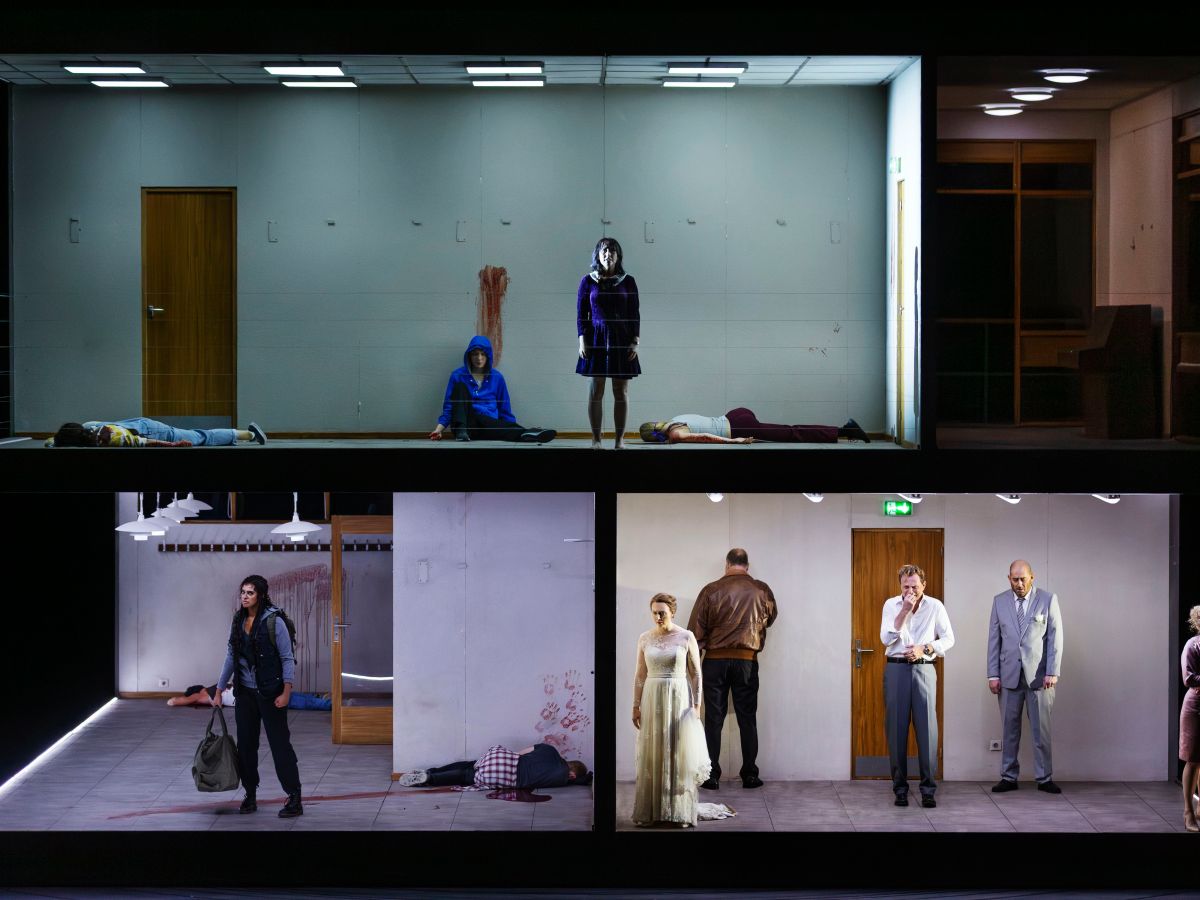
Innocence, The Royal Danish Opera 2026
Guilt is a funny thing. You don’t have to pull the trigger to be caught in the aftermath. Sometimes, simply being there – or being related to the person who did it – is enough. We like to think we’re innocent. But scratch the surface, and who knows what you might find? In Kaija Saariaho’s…

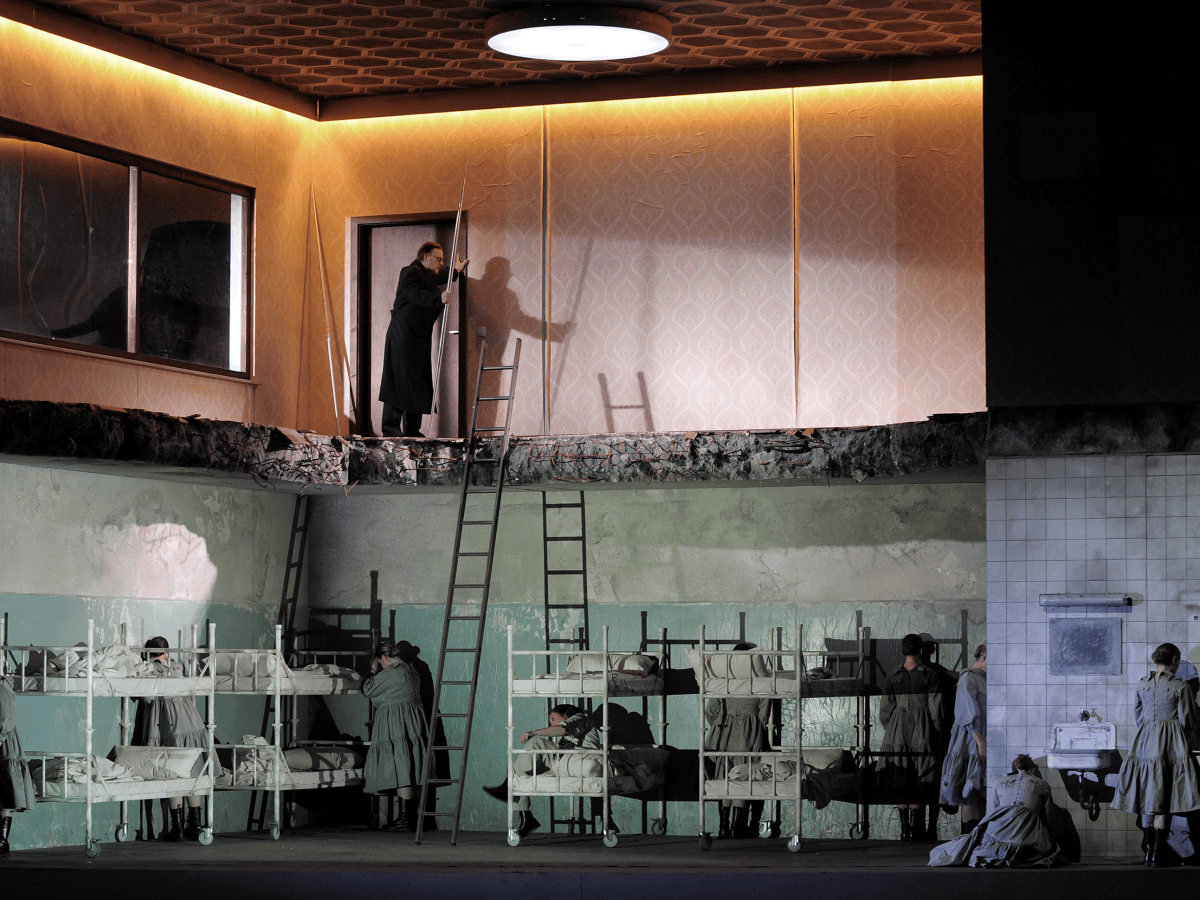
Die Walküre, Hamburgische Staatsoper 2026
How much control do we really have over our own lives? We make decisions, change our minds, take wrong turns and tell ourselves that, ultimately, we are the ones behind the wheel. But what if the steering wheel isn’t really ours to begin with? In Claus Guth’s now 18-year-old production of Die Walküre, control is…
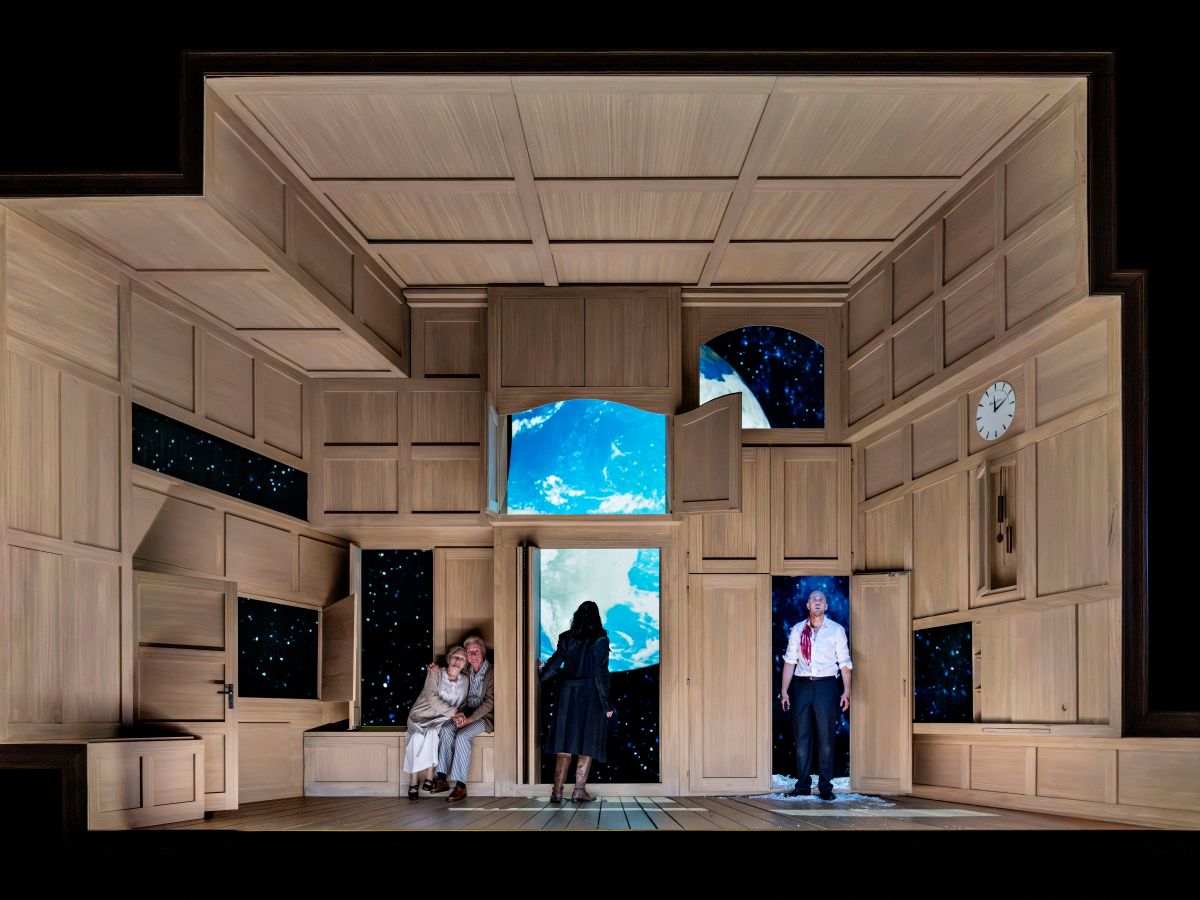
Werther, The Royal Danish Opera 2026
Werther you like it or not, doomed love is back on the menu. Think Tristan and Isolde, but with the drama dialled down a notch. The music is a little Wagner, a little Puccini – just without the same oomph. Chief conductor Marie Jacquot keeps the orchestra on its toes, steering the whole thing with…

