
We begin in the middle of a storm. You can already hear it rumbling away in the double basses of the prelude. We’re out in the forest, mud on the boots and battle still buzzing in the blood, as Macbeth and Banquo stumble upon a gang of witches armed with a rather alarming forecast for the future. Macbeth is told he’ll become Thane of Cawdor. Banquo, meanwhile, won’t be king himself, but apparently his family tree is about to turn into a royal dynasty. Wait… how exactly is that supposed to work? Macbeth and Banquo seem to be wondering the exact same thing…
The Metropolitan Opera (New York) is opening its next season with Macbeth starring Lise Davidsen, Quinn Kelsey, and Freddie De Tommaso. And honestly, what better way to get the blood flowing than giving the opera a quick spin in Copenhagen first? The result: two sold-out concert performances and an opera house packed with people ready for witches, murder, and Verdi at full volume.
Keeping the Verdi Train on the Tracks
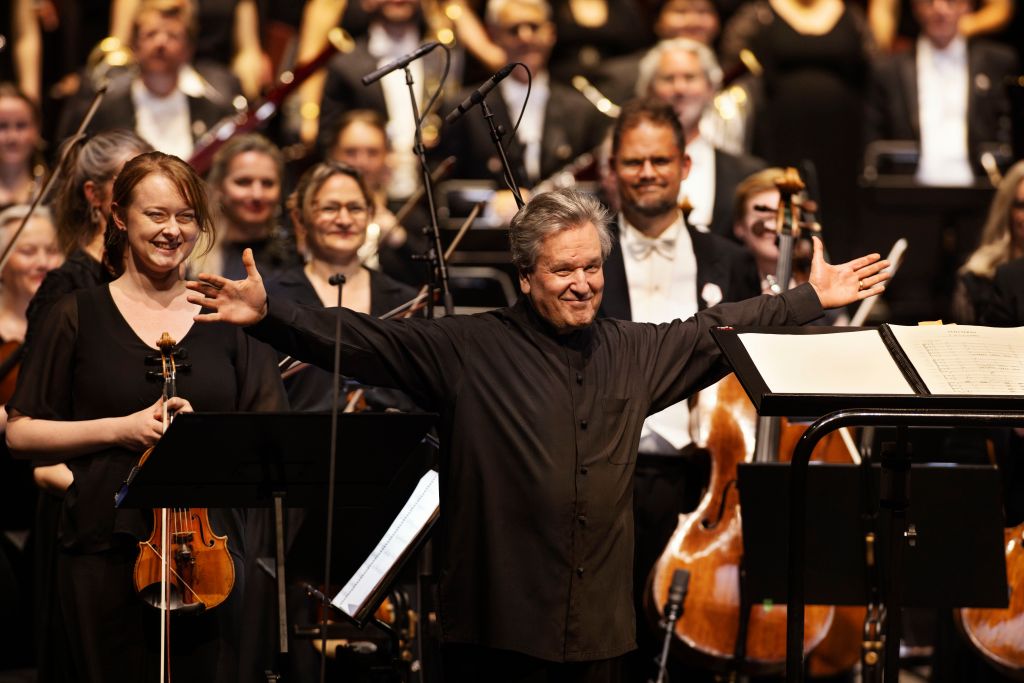
Slowly and heavily, Italian-British conductor Antonio Pappano sets things in motion. His left hand paints the music, the right keeps the troops together – all while he quietly sings along himself. He savours the pauses, stretching the silence until it almost crackles, before sending the music rushing forward again with sudden tempo shifts and careful build-ups. You can see him working the score in real time, shaping every phrase. And it pays off. Rarely has The Royal Danish Orchestra sounded this good.
Concert performance? What does that mean again? Well, no sets, no staging, no people dramatically collapsing onto furniture under a suspiciously red spotlight. This time, it’s the music doing all the acting. So… does something go missing? I mean… yes, technically. But honestly, it never really felt like anything was missing this evening. The only ones occasionally fighting for survival were the chorus, as the orchestra sometimes charged ahead at full force and buried them under a small musical avalanche. And Verdi’s orchestration – with instruments often piled into the same octave as the singing – doesn’t exactly make life easier on that front either…
To The Top
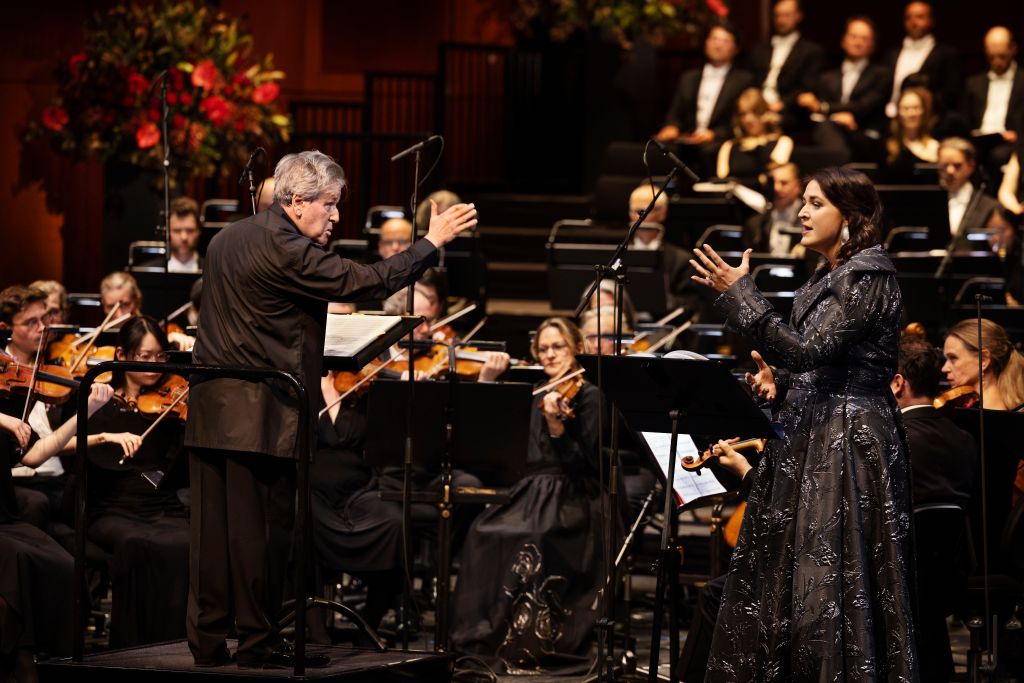
One person who definitely wasn’t drowned out – at least not when those top notes came shooting through the hall like searchlights – was Norwegian soprano Lise Davidsen, making her role debut as Lady Macbeth. Very few people can light up an auditorium quite like she can. Even with a full orchestra, chorus, and a handful of other soloists going full throttle around her, her voice still cuts clean through the sound like a beam of light. And in those suspended moments of silence after a huge climax, it was often her voice that lingered in the room like the final ripple after a wave has crashed.
One thing I couldn’t stop noticing, though, was her jaw visibly trembling along with the vibrato – was some of the singing a bit forced?
There’s absolutely no doubt that Lise Davidsen is a soprano. The top of the voice is clearly where she feels most at home – those soaring high notes opened up like floodlights and flooded the entire hall with sound. Lower down, though, once the music dipped into the chest voice, the engine didn’t quite have the same horsepower behind it.
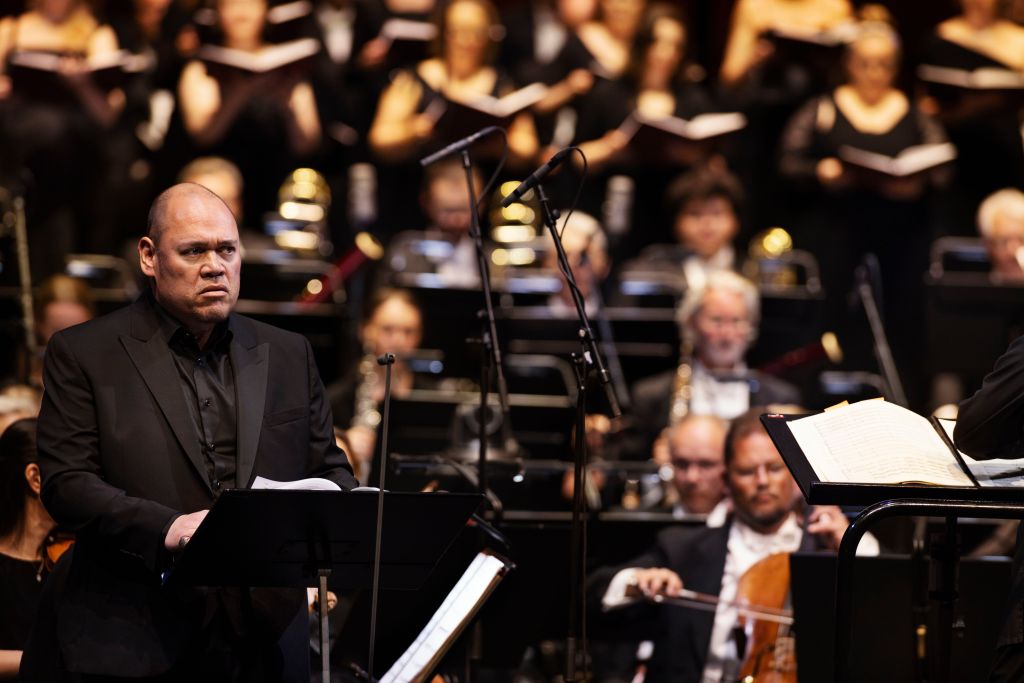
They all stood there with their scores in front of them – was that even necessary? I’m not entirely convinced. Hardly anyone actually looked down, and most of the page turns felt more ceremonial than practical. This was clearly music they knew inside out.
Have you heard Quinn Kelsey sing before? If you have, then you already know the kind of voice he carries around with him: nuanced, powerful, and somehow still vulnerable at the same time. He sends it soaring straight out across the sea of plush red seats like it’s the easiest thing in the world.
Even without much staging or acting, you could still read everything on his face. Sometimes it almost felt like his expressions said just as much as the beautifully sculpted phrases coming out of his mouth. Kelsey is a baritone and has the biggest male role of the opera – which makes perfect sense when you’re the one singing the title character.
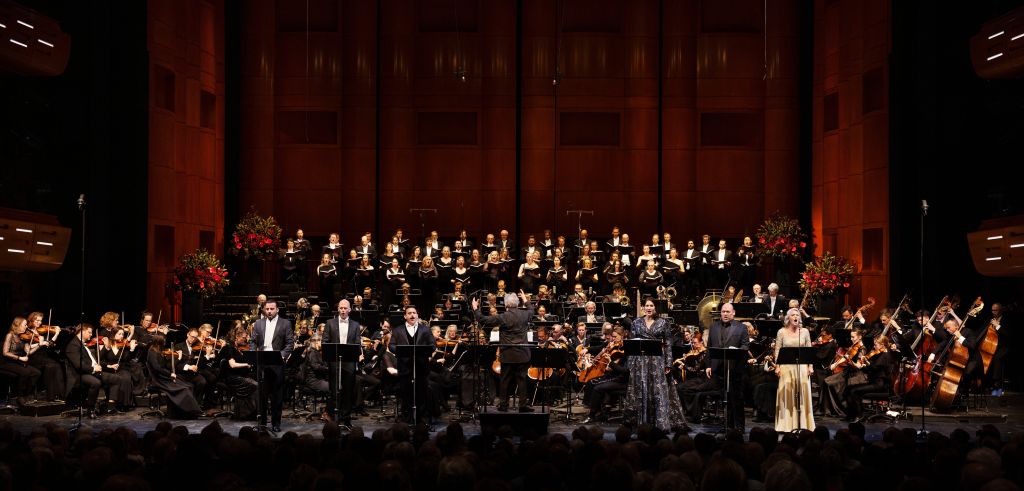
And then, after nearly two hours of baritone, witches, murder plots, and mounting paranoia, we get a tenor moment from Freddie De Tommaso. Sure, there are tenor tones earlier on too – but this one truly cut through. One thing is certain: this opera is definitely not overflowing with tenors – and for once, the entire plot doesn’t revolve around how desperately somebody loves a soprano…
In from the left storms Freddie De Tommaso, serving up a few minutes of pure Verdi heartbreak as Macduff mourns his murdered wife and children – grief bubbling away beneath every phrase before slowly boiling over into revenge. How do you make sorrow sound even more painful? A low larynx, of course – something De Tommaso clearly knows.
Lady Macbeth gives her husband’s ambition a dangerous little push, and before long the murders start piling up faster than Macbeth can keep track of them. Crowns are stolen, ghosts begin appearing at dinner parties, and paranoia spreads through the castle walls like smoke. Turns out becoming king is the easy bit – surviving the guilt is where things really hit.
The orchestra spent most of the evening blasting away just a few metres from my face, so my head could probably use a tiny moment of silence now – although that becomes slightly difficult when Verdi’s melodies are still marching around inside my brain.
Fun Fact:
Macbeth was Verdi’s tenth opera – and at the time, the one he was proudest of. Just ten days after the premiere, he wrote in a letter: “…Macbeth, which I prize above all my other operas.”
Cast:
- Conductоr: Antonio Pappano
- Macbeth: Quinn Kelsey
- Lady Macbeth: Lise Davidsen
- Banquo: Alexander Köpeczi
- Macduff: Freddie De Tommaso
- Dama di Lady Macbeth: Gisela Stille
- Malcolm: Jacob Skov Andersen
- Servant to Macbeth, Doctor: Kyungil Ko
- Herald, Assassin: Dong Huy Kim
- Three apparitions: James Berry, Ramund Rindel Peulicke, Ferdinand Luis Lundberg Vingtoft
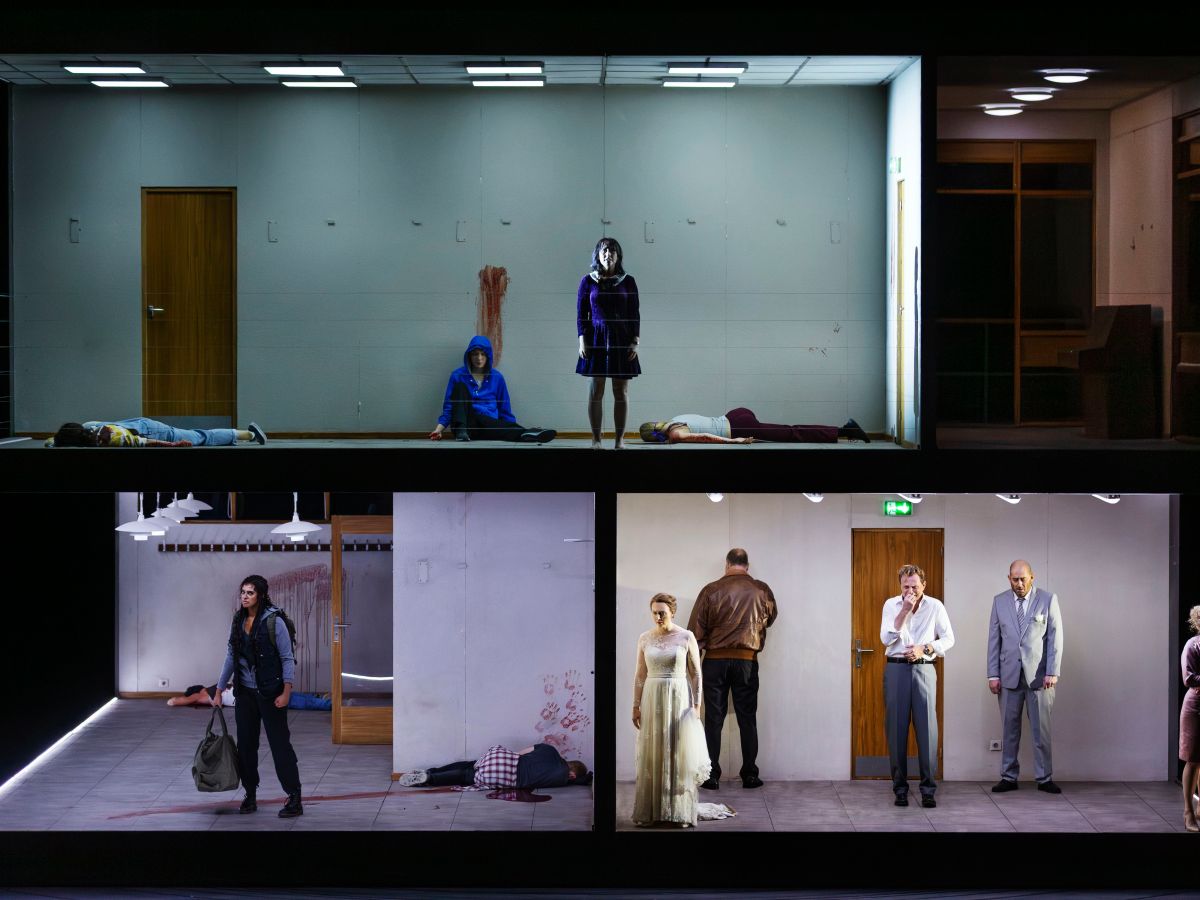
Innocence, The Royal Danish Opera 2026
Guilt is a funny thing. You don’t have to pull the trigger to be caught in the aftermath. Sometimes, simply being there – or being related to the person who did it – is enough. We like to think we’re innocent. But scratch the surface, and who knows what you might find? In Kaija Saariaho’s…

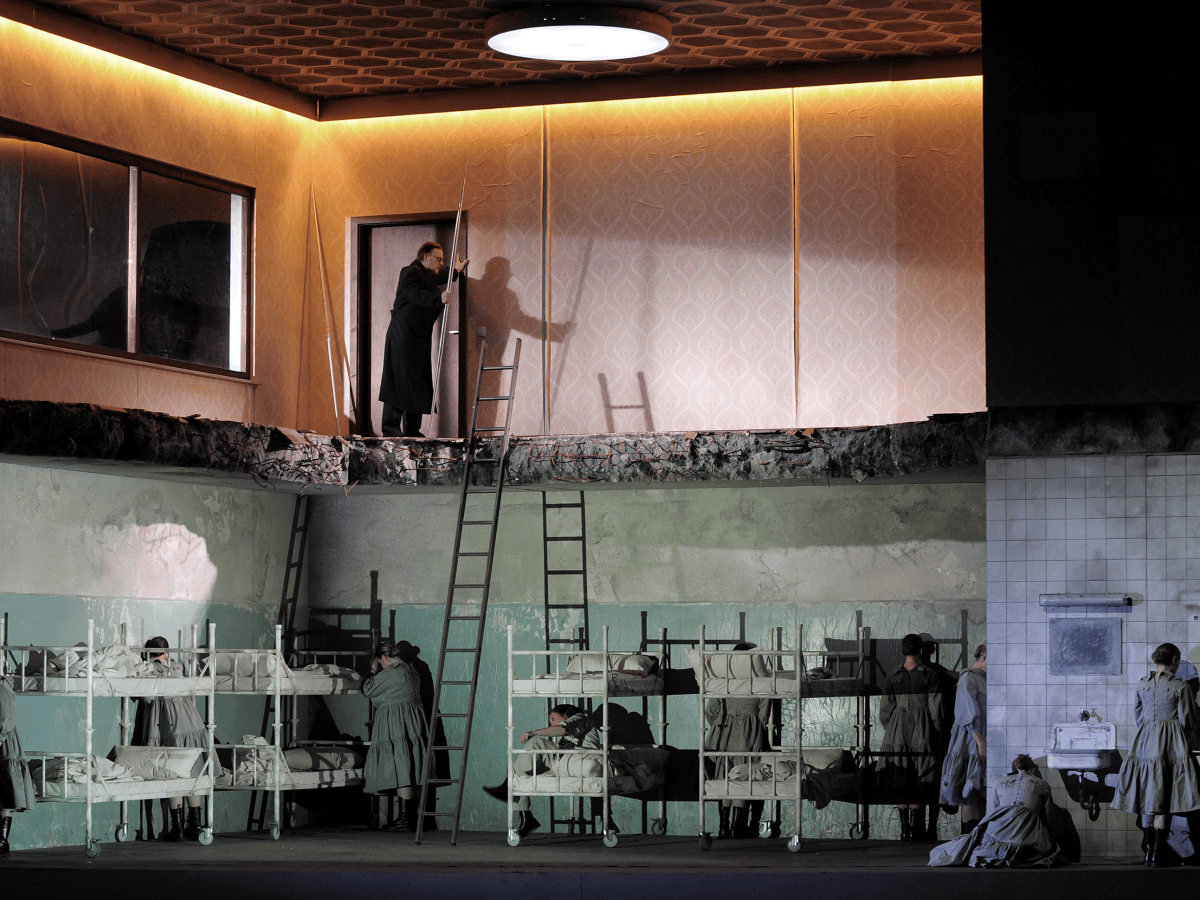
Die Walküre, Hamburgische Staatsoper 2026
How much control do we really have over our own lives? We make decisions, change our minds, take wrong turns and tell ourselves that, ultimately, we are the ones behind the wheel. But what if the steering wheel isn’t really ours to begin with? In Claus Guth’s now 18-year-old production of Die Walküre, control is…
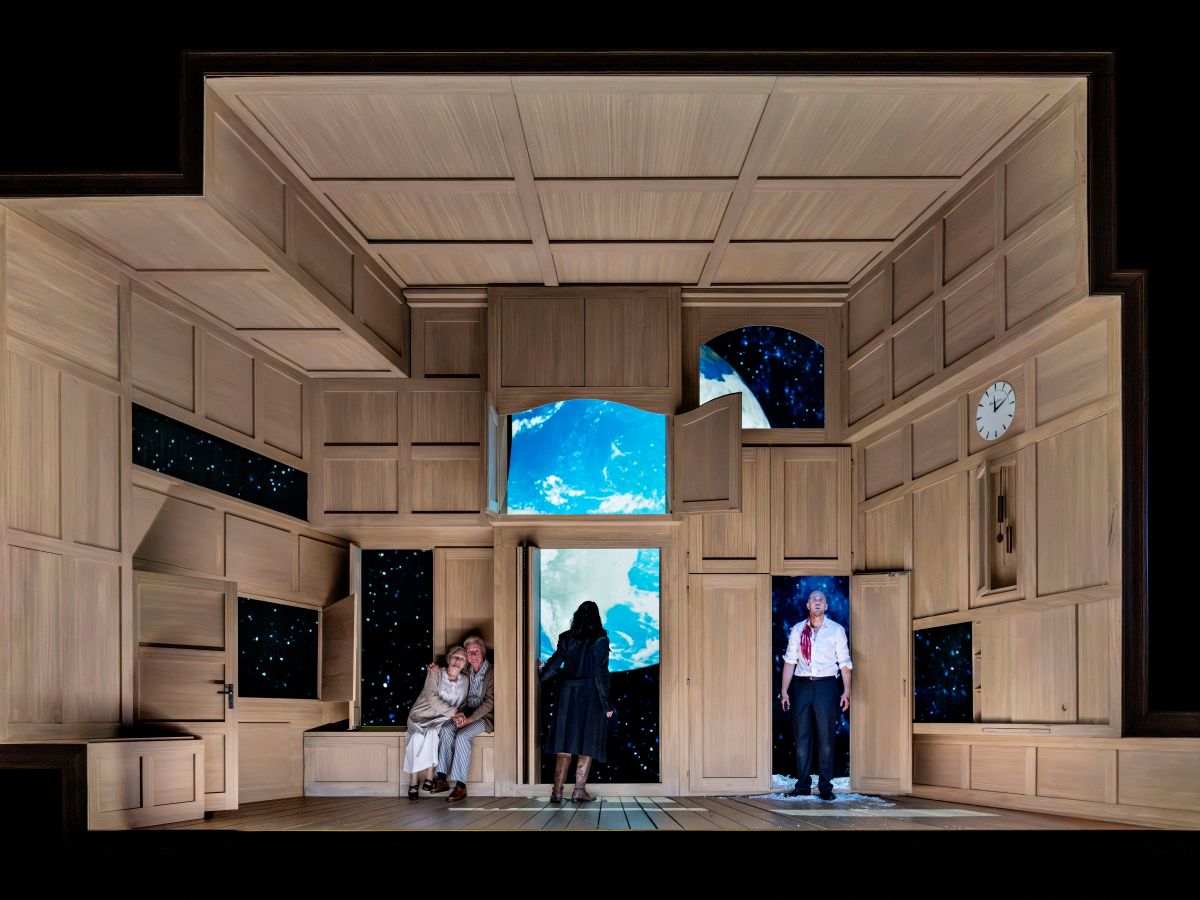
Werther, The Royal Danish Opera 2026
Werther you like it or not, doomed love is back on the menu. Think Tristan and Isolde, but with the drama dialled down a notch. The music is a little Wagner, a little Puccini – just without the same oomph. Chief conductor Marie Jacquot keeps the orchestra on its toes, steering the whole thing with…

