

Exactly 100 years ago – on Monday, 14 December 1925 – Alban Berg’s first opera Wozzeck premiered on this very stage. Same date. Same theatre. A hundred years later, the music returns to where it all began.
In ten days, on December 24th, it will be 90 years since Alban Berg died from blood poisoning. But tonight isn’t about the composer’s death. It’s about the life he lets fall apart on stage.
Under Pressure (doo doo doooo doo-doo-doo-doo)
Wozzeck is a poor soldier at the very bottom – in life and hierarchy. He’s pushed around by captains, poked and prodded by doctors, and squeezed by poverty until there’s nothing left to squeeze.
Add social humiliation and a set of medical “experiments” – that really shouldn’t be in quotation marks – and you get a mind under pressure. Too much pressure.
His relationship with Marie starts to slip. The cracks spread. And the opera shows how a person without power is gradually – and ultimately – crushed by the very system he’s forced to live inside.
Clarity Is Key
The music was written between 1914 and 1922 – just as Berg’s teacher Arnold Schoenberg was counting to twelve and changing music history in the process, with the Suite for Piano, Op. 25 (1921-23). Wozzeck isn’t a twelve-tone opera. But let’s just say the score doesn’t exactly suffer from a lack of accidentals.
That’s why clarity counts here – pitch and text, precision and presence. Yes, that’s always important, but with these merciless leaps in the lines, it becomes non-negotiable.
Taste, of course, is subjective. To my ears, this sound world works best with less vibrato: too much wobble and the edges smear – and Wozzeck needs edges.
For precisely these reasons, British baritone Simon Keenlyside is a brilliant pick as the poor Wozzeck.
5-in-1
The opera comes in three acts, five scenes each. After every act, Berg gives us a double bar line – basically a breather. One for the music, and one for the listener. Each scene is tied together by finely crafted interludes: moments where General Music Director Christian Thielemann really gets to show what he can do with the orchestra.
A clear highlight – dynamically speaking, too – arrives in the final scene of the last act. The way Thielemann builds it up instantly reminded me of his take on Siegfried’s Funeral March in Götterdämmerung a few months ago (yes, you can read about that here).
Sure, the opera has no shortage of loud moments. But this one felt saved. Carefully stockpiled. Pulled out at exactly the right time. Which is why it lands as the big culmination – the moment where you’re gently but firmly blown back in your seat.
Partly because the drama peaks. Partly because the brass very much shows up to work.
If I didn’t have Google Maps on my phone, I’d happily let Thielemann guide the way.
He always knows exactly where he’s going – and he makes it clear to everyone else, too. Whether it’s long, drawn-out lines in a single instrument, one exposed note (like the interlude to Scene 3, Act III), or small motifs tossed from one section to another, the direction is never in doubt.
Thielemann is best known for the Romantic repertoire – especially our two Richards: Strauss and Wagner – and you can hear that in his conducting.
If I’m not mistaken, tonight marks his first time conducting Wozzeck live. That means he spends a bit more time with his eyes on the score than usual. But don’t worry: he may glance at the map, but he still knows the route. Score on the stand, music firmly in hand.
Because the piece is written the way it is, it also demands a much clearer kind of conducting. In fact, the conductor of the world premiere, Erich Kleiber, wrote to Berg just over half a year before the first performance, gently asking whether it might be better to schedule Wozzeck for the following season instead…
Between the sharper dissonances and the relentless rhythms, this is music that needs precision – otherwise things can tip from tense into simply chaotic.
I heard Die Zauberflöte in the same hall yesterday. Same orchestra, same space – completely different result. A work they’ve played countless times didn’t sound nearly as razor-sharp as Wozzeck did tonight.
And I don’t think I’ve ever seen Thielemann conduct with such explicit beat patterns before. At times, he even did it with both hands!
Which brings us to the big question: what kind of composer is Berg, really? Late Romantic? Second Viennese modernist? Maybe both. If that’s the case, how do you actually approach his music?
Tonight’s cast certainly leans Romantic. With Wagner-heavy voices like Anja Kampe, Stephen Milling, Andreas Schager, Anna Kissjudit, and the two tenors Wolfgang Ablinger-Sperrhacke and Stephan Rügamer, the Romantic angle is hard to miss.
Especially Thielemann’s conducting leans toward the Romantic side. The same goes for Anja Kampe’s take on Marie, Wozzeck’s wife.
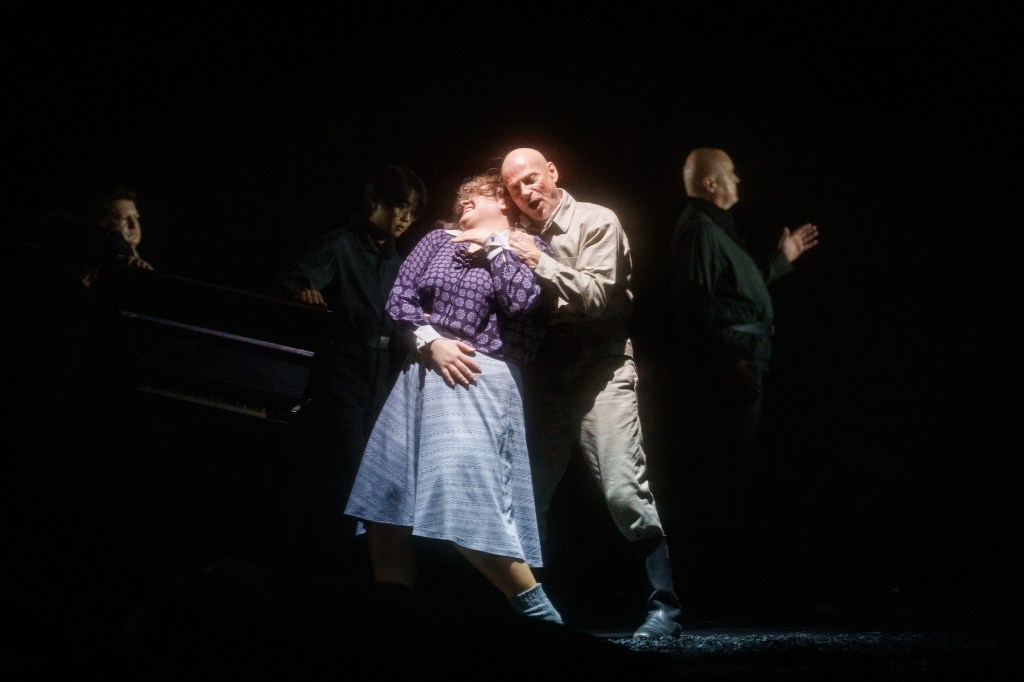
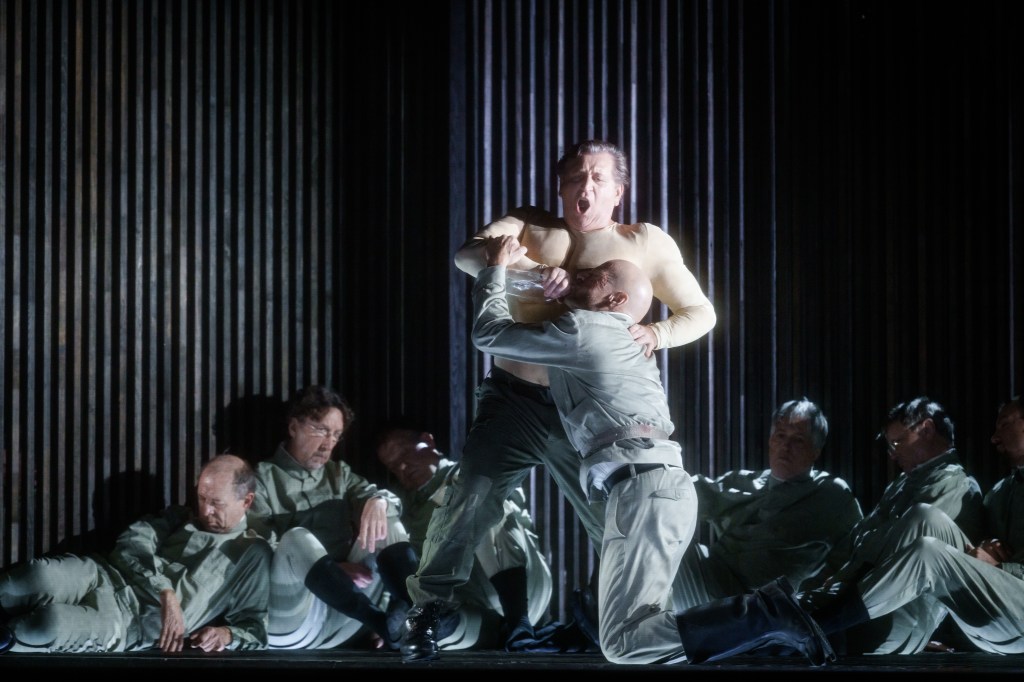
There’s friction between the two – Wozzeck and Marie. Things are clearly not smooth. Marie has become drawn to the Drum Major, Andreas Schager, who parades around in a full-on muscle costume. He’s not exactly a gentle presence.
At times, it’s genuinely hard to tell whether Marie consents – or if the situation simply overruns her. Either way, it’s deeply uncomfortable. Not least because her son is right there, less than a meter away, and clearly not celebrating what’s going on.
Dynamics At Play
The score is made up of lots of different layers. There are leitmotifs (and leit-chords), and Berg helpfully writes HT in the score – Hauptstimme, as in: “hey, listen up, this one matters.”
Still, there’s so much going on that total control isn’t always guaranteed. In Acts I and II, a few singers occasionally slip under the orchestral surface – partly because a few lines sit lower than what their voices are happiest with.
Thielemann keeps a firm hand on the orchestra. The entries are precise, the subito pianos spot-on, and the transitions beautifully handled. If there’s one thing he really excels at, it’s getting the orchestra to play softly without sounding strained or careful.
That said, there were a few moments where he could have held the orchestra back just a notch – simply to avoid those places where the singers became harder to hear.
Still, no need to dramatise it. Thielemann normally has everything at 100%. Tonight? Maybe 95.
But Act I, Scene 5 is all about clarity – no guessing games, no vocal fog. Stephen Milling and Simon Keenlyside are a cracking duo, and when Wolfgang Ablinger-Sperrhacke enters, it turns into a terrific trio.
Unfortunately, Andreas Schager doesn’t quite keep up. His usual approach – somewhere between half-shouting and a very generous vibrato – ends up blurring both pitch and text. What he sings is often hard to make out.
Anna Kissjudit is always a pleasure – and she was again tonight. Almost a shame that Margret doesn’t get more stage time.
Oh, the Staging
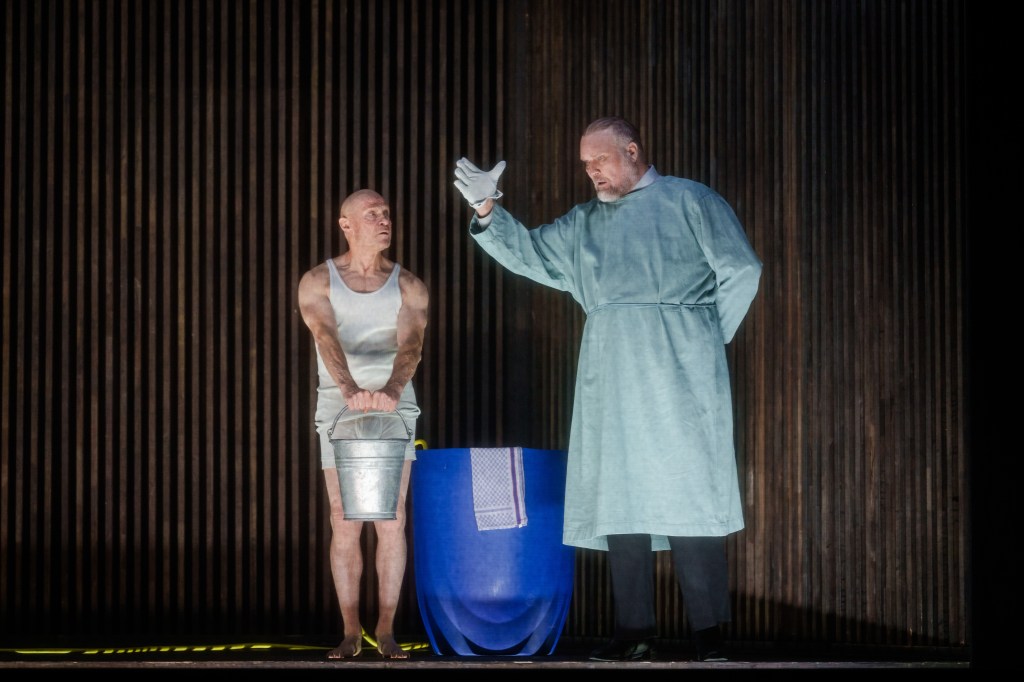
You may have noticed that I haven’t said anything about the staging… yet. That’s intentional. I don’t actually have that much to say.
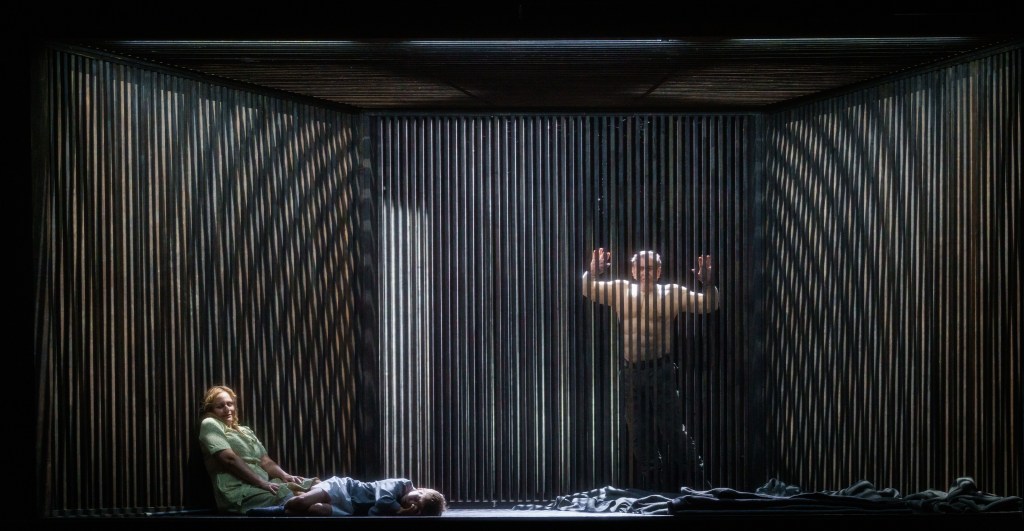
Several of the early scenes take place in a kind of room framed by wooden slatted walls, and when we “leave” it, it’s mostly because we’re suddenly standing outside that same space.
I found it slightly distracting to look at. Not because a lot was happening – quite the opposite – but because it felt like staring at some kind of optical illusion. My eyes were busy, even when nothing else was.
And that’s exactly what happens. In the final scene, Wozzeck lies alone on stage. In a… slightly unusual position.
The music doesn’t really end – it thins out. The strings spread a pale layer of sound, like fog on the floor, and above it, the woodwinds barely move at all. They just sway between two notes – a second, maybe a small third apart – back and forth, almost not going anywhere.
Everything grows quieter. As if the sound itself is slowly letting go. If I didn’t know better, I’d swear the score said verhauchend – dying away. And then it’s over.
Fun Fact!
Berg doesn’t just write what should be sung in Wozzeck – he tells you how. The score lists around 65 different vocal instructions: shout, soft-speak, half-speak, gasp, whisper, falsetto… you name it.
Trailer:
Cast:
- Musical Director: Christian Thielemann
- Director: Andrea Breth
- Revival director, assistant director: Caroline Staunton
- Set Design: Martin Zehetgruber
- Costumes: Silke Willrett, Marc Weeger
- Light: Olaf Freese
- Chorus Master: Dani Juris
- Wozzeck: Simon Keenlyside
- Marie: Anja Kampe
- Drum major: Andreas Schager
- Andres: Florian Hoffmann
- Captain: Wolfgang Ablinger-Sperrhacke
- Doctor: Stephen Milling
- Margret: Anna Kissjudit
- First apprentice: Friedrich Hamel
- Second apprentice: Dionysios Avgerinos
- Madman: Stephan Rügamer
- Marie’s son: Solist des Kinderchors der Staatsoper
- Staatsopernchor, Kinderchor der Staatsoper, Staatskapelle Berlin
- Innocence, The Royal Danish Opera 2026
- Die Walküre, Hamburgische Staatsoper 2026
- Werther, The Royal Danish Opera 2026
- Macbeth, Royal Danish Opera 2026
- Tosca, Opera Hedeland 2026
Innocence, The Royal Danish Opera 2026
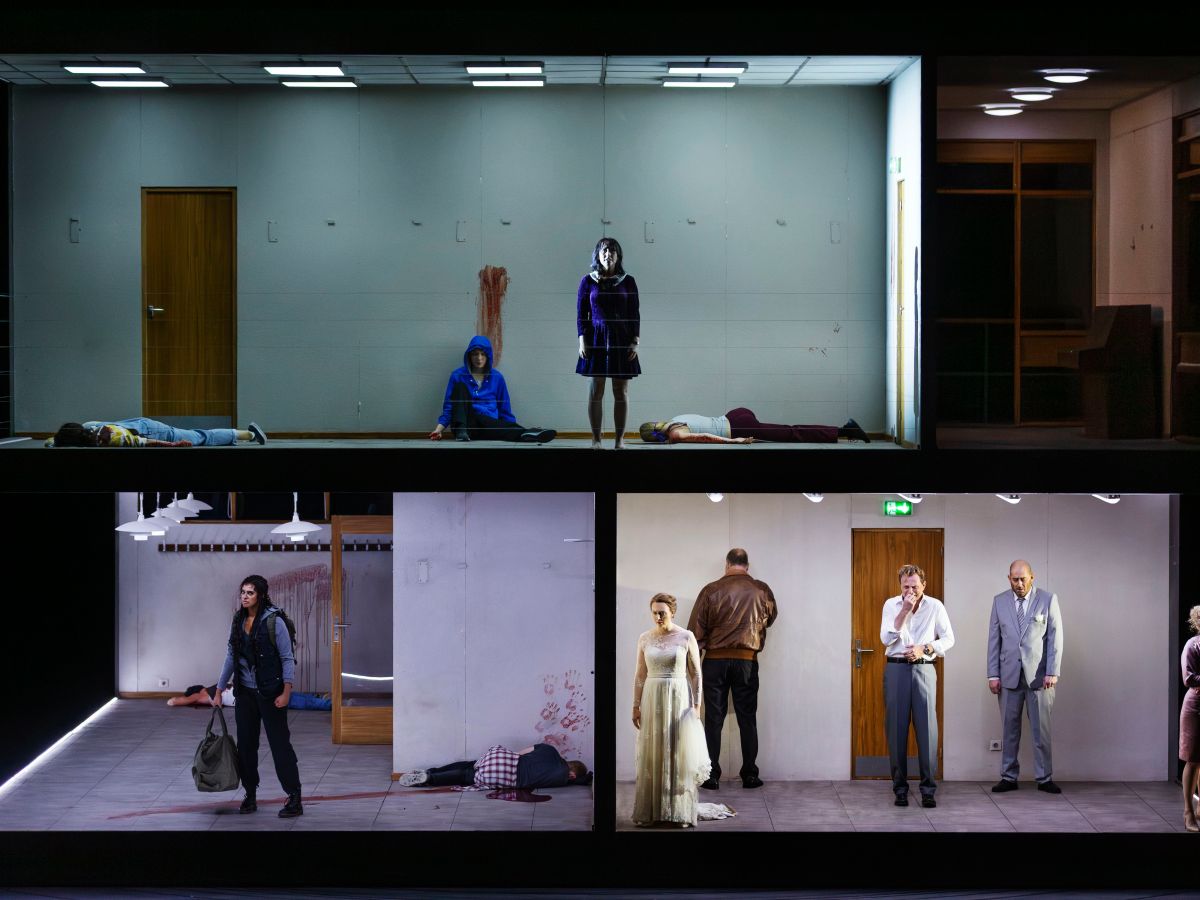
Guilt is a funny thing. You don’t have to pull the trigger to be caught in the aftermath. Sometimes, simply being there – or being related to the person who did it – is enough. We like to think we’re innocent. But scratch the surface, and who knows what you might find? In Kaija Saariaho’s…

Die Walküre, Hamburgische Staatsoper 2026
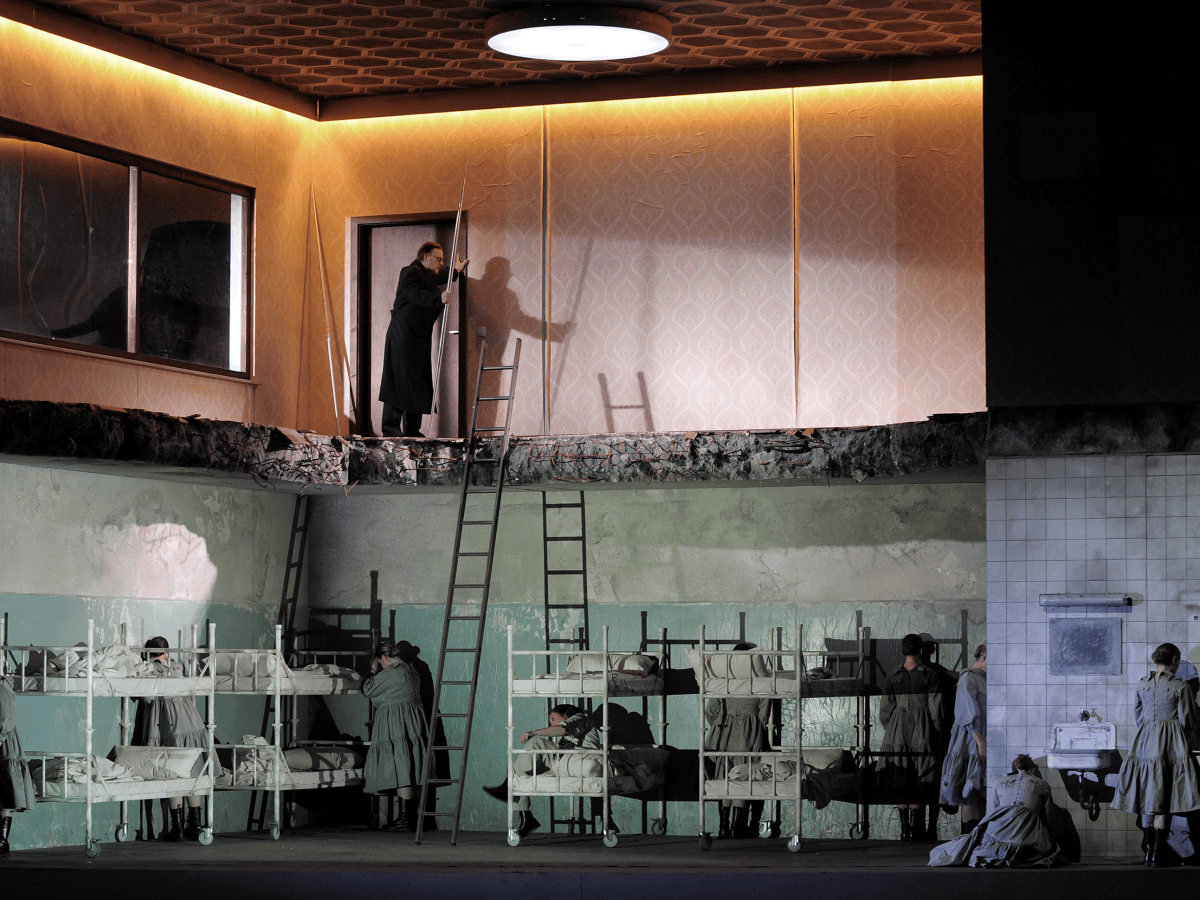
How much control do we really have over our own lives? We make decisions, change our minds, take wrong turns and tell ourselves that, ultimately, we are the ones behind the wheel. But what if the steering wheel isn’t really ours to begin with? In Claus Guth’s now 18-year-old production of Die Walküre, control is…
Werther, The Royal Danish Opera 2026
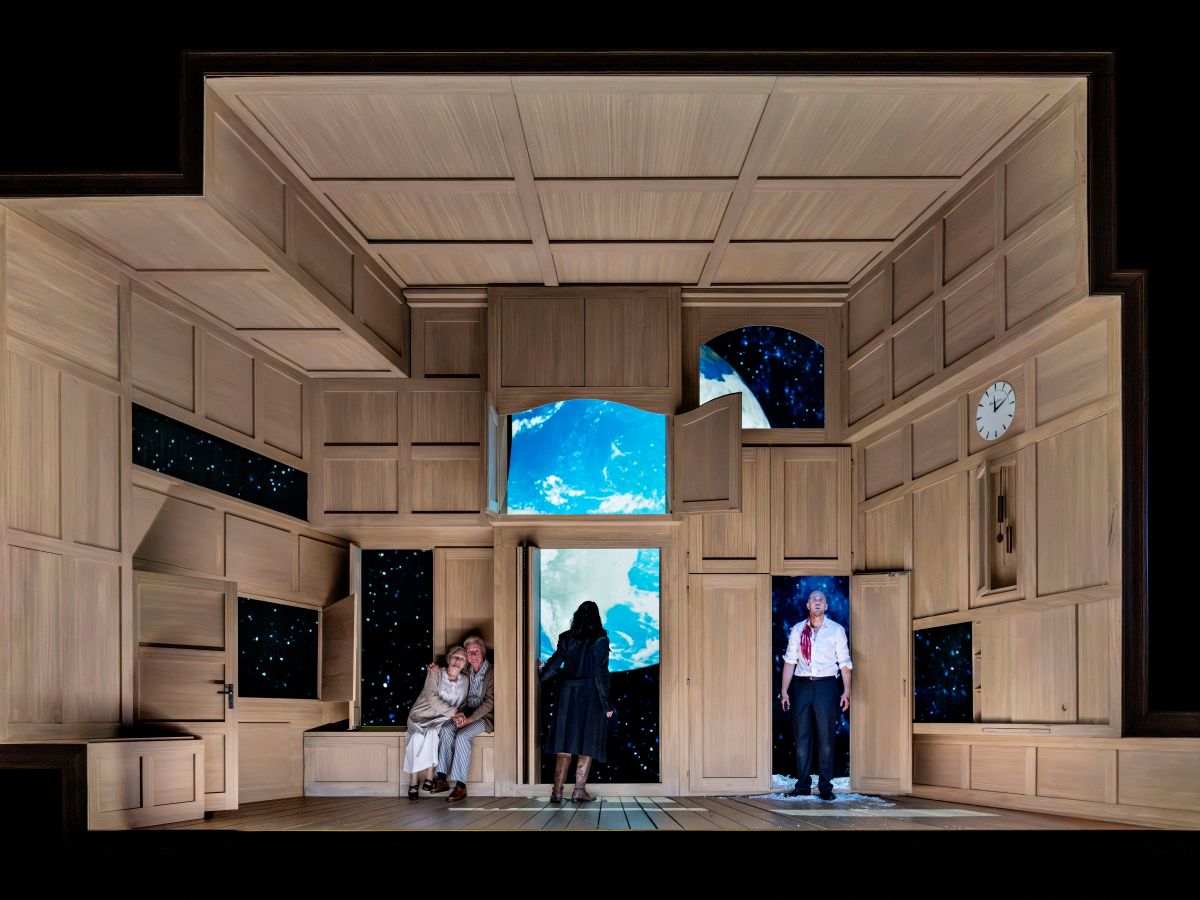
Werther you like it or not, doomed love is back on the menu. Think Tristan and Isolde, but with the drama dialled down a notch. The music is a little Wagner, a little Puccini – just without the same oomph. Chief conductor Marie Jacquot keeps the orchestra on its toes, steering the whole thing with…

